Savory Spring Vegetable Pot Pie
Highlighted under: Simple Supper Recipes
Savory Spring Vegetable Pot Pie
Savory Spring Vegetable Pot Pie
Savory Spring Vegetable Pot Pie
Choosing the Right Vegetables
When preparing your Savory Spring Vegetable Pot Pie, selecting the right vegetables is crucial for achieving a well-balanced flavor and texture. Fresh spring vegetables like asparagus, peas, and carrots not only bring vibrant colors but also distinct flavors that complement each other beautifully. Opt for organic produce when possible, as they are often more flavorful and nutritious. Remember to cut the vegetables into uniform sizes to ensure even cooking; bite-sized pieces are ideal, roughly 1/2 inch for quicker cooking.
Timing is another important factor when adding your vegetables. Softer vegetables, such as peas, should be added later in the cooking process to prevent them from becoming mushy. Sauté heartier vegetables like carrots and celery first until they start to soften, generally about 5-7 minutes on medium heat, allowing them to release their natural sweetness while developing a bit of color.
Developing the Perfect Sauce
The sauce in your pot pie plays a pivotal role in binding the vegetables and providing rich flavor. A roux, made from equal parts flour and butter, serves as the foundation. Cook it over medium heat, stirring constantly, until it turns a light golden color. This step usually takes about 2-3 minutes; watch for a nutty aroma which indicates it's ready. Gradually whisk in your vegetable broth to avoid lumps, and allow it to simmer until thickened, stirring frequently.
To elevate the flavor of your sauce, consider adding a splash of white wine or a bit of nutritional yeast for umami depth. Mixing in a teaspoon of Dijon mustard can also add an unexpected tang that enhances the overall taste profile. Taste your sauce before combining with the vegetables and adjust the seasonings, as ample seasoning is vital for a savory outcome.
Tips for Golden, Flaky Crust
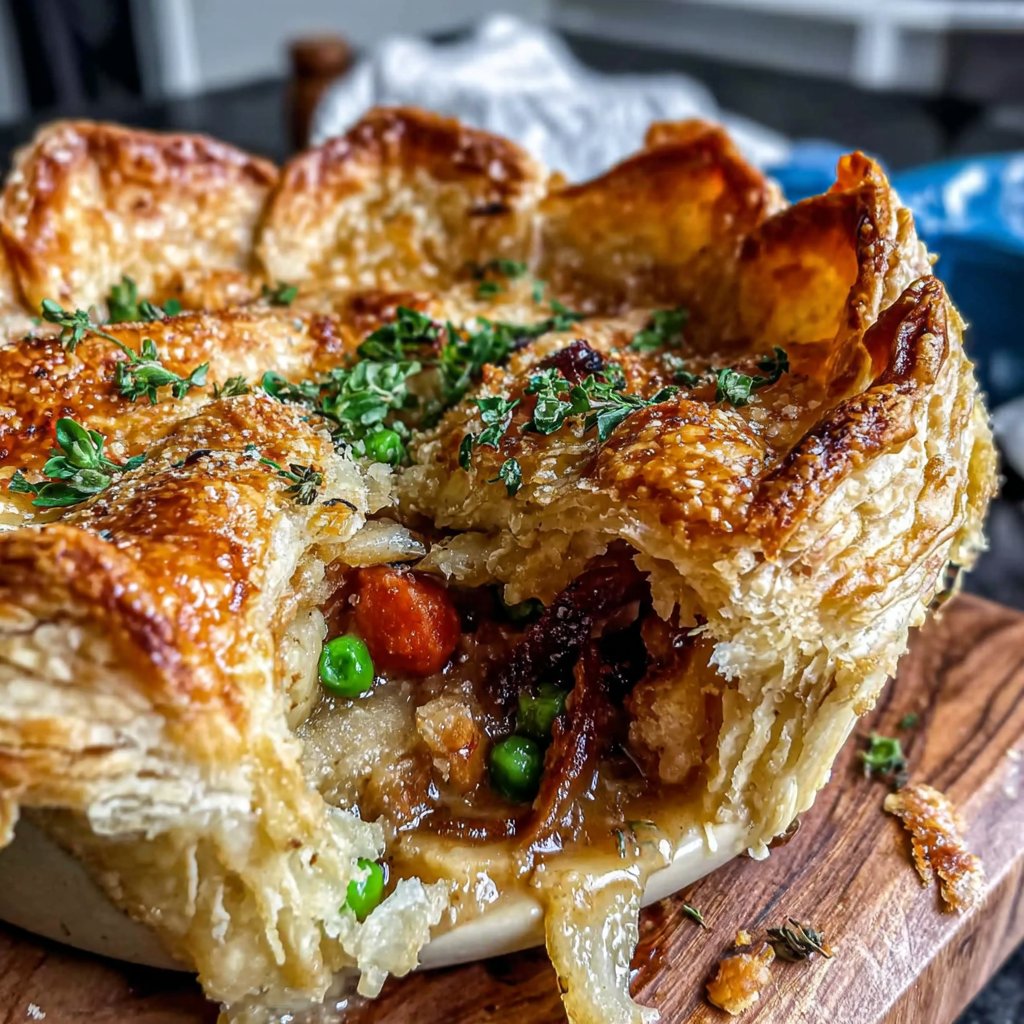
Achieving a perfectly flaky crust is essential for any pot pie but can be challenging. Start by keeping your butter cold; this helps to create steam pockets in the dough which results in a flaky texture. Cut the butter into small pieces and chill it for about 15 minutes before mixing it with the flour. If you’re short on time, use a food processor to quickly blend the ingredients but avoid over-processing as this can lead to a tough crust.
When it comes to baking your pot pie, preheat your oven to 425°F (220°C) and bake until the crust turns golden brown, usually about 25-30 minutes. To achieve an even golden color, brush the crust with an egg wash made from a beaten egg and a tablespoon of water. This not only gives a beautiful sheen but also helps seal the crust, keeping the filling moist. Keep an eye on the pie as it bakes; if the edges start to darken too quickly, cover them with a piece of foil.
Storage and Make-Ahead Tips
This Savory Spring Vegetable Pot Pie can be made ahead of time and stored in the refrigerator for up to two days before baking. Simply assemble the pie, cover it tightly with plastic wrap or foil, and refrigerate. When you're ready to bake, allow it to come to room temperature for about 30 minutes before placing it in the oven. This ensures even cooking throughout the pie.
If you have leftovers, store them in an airtight container in the refrigerator for up to three days. Reheat in the oven at 350°F (175°C) for about 15-20 minutes to warm through, as this helps to maintain the crispness of the crust. Alternatively, you can microwave slices for a quicker option, though the crust may lose some of its texture.
Variations and Add-Ins
Feel free to customize this pot pie by adding proteins such as cooked chicken or tofu for an added nutritional punch. If you prefer a dairy-free version, replace the butter with vegan margarine and use plant-based milk. You can also experiment with different herbs; dill and tarragon pair wonderfully with spring vegetables, adding fresh, aromatic notes to the filling.
For a change in flavor profile, try incorporating different cheeses, like a sharp cheddar or a creamy goat cheese, into the vegetable mixture. Adding a handful of fresh spinach or kale before sealing the pie can also increase its nutritional value and provide a delightful pop of color.
Troubleshooting Common Issues
If your crust isn’t flaky after baking, it may be due to warm ingredients or insufficiently cold butter at the start. Make sure your butter, water, and flour are all cold while preparing the dough. Additionally, avoid overworking the dough; mix just until the ingredients come together to keep it tender.
Should you find the filling too runny after baking, this could happen if the sauce wasn't allowed to thicken properly or if it was stirred too much after the vegetables were added. Next time, ensure the sauce reaches a thick, almost paste-like consistency before combining it with the vegetables. You can always add a tablespoon of cornstarch mixed with water to help thicken it up during simmering.